Cacio e Pepe Sauce (Easy Italian Pasta Sauce)

This post may contain affiliate links. Please read our disclosure policy.
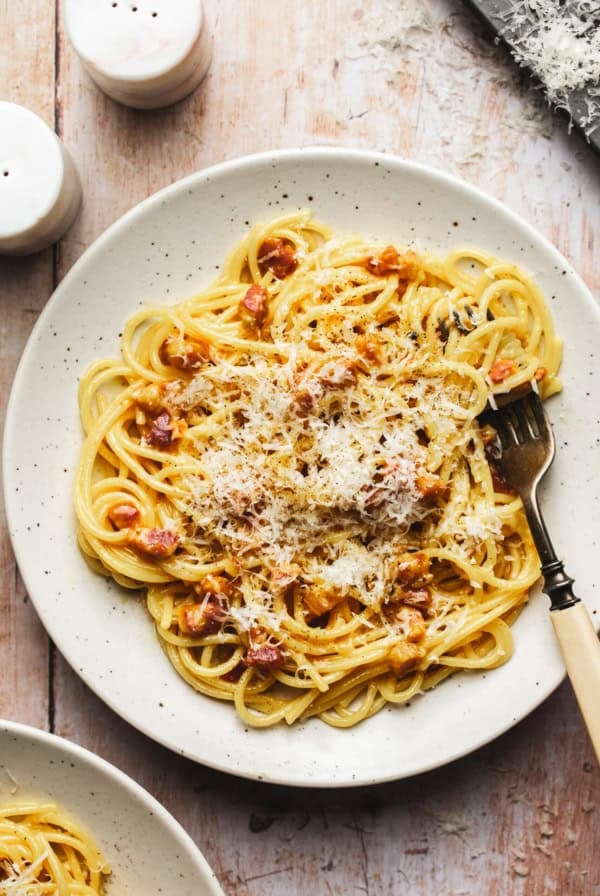
This Cacio e Pepe Sauce is everything a good pasta night should be: fast, cheesy, and made with ingredients you probably already have on hand. Just spaghetti, pecorino, black pepper, and a little starchy pasta water. It comes together in the time it takes your noodles to boil, and it’s silkier and glossier than you’d expect from four pantry staples.
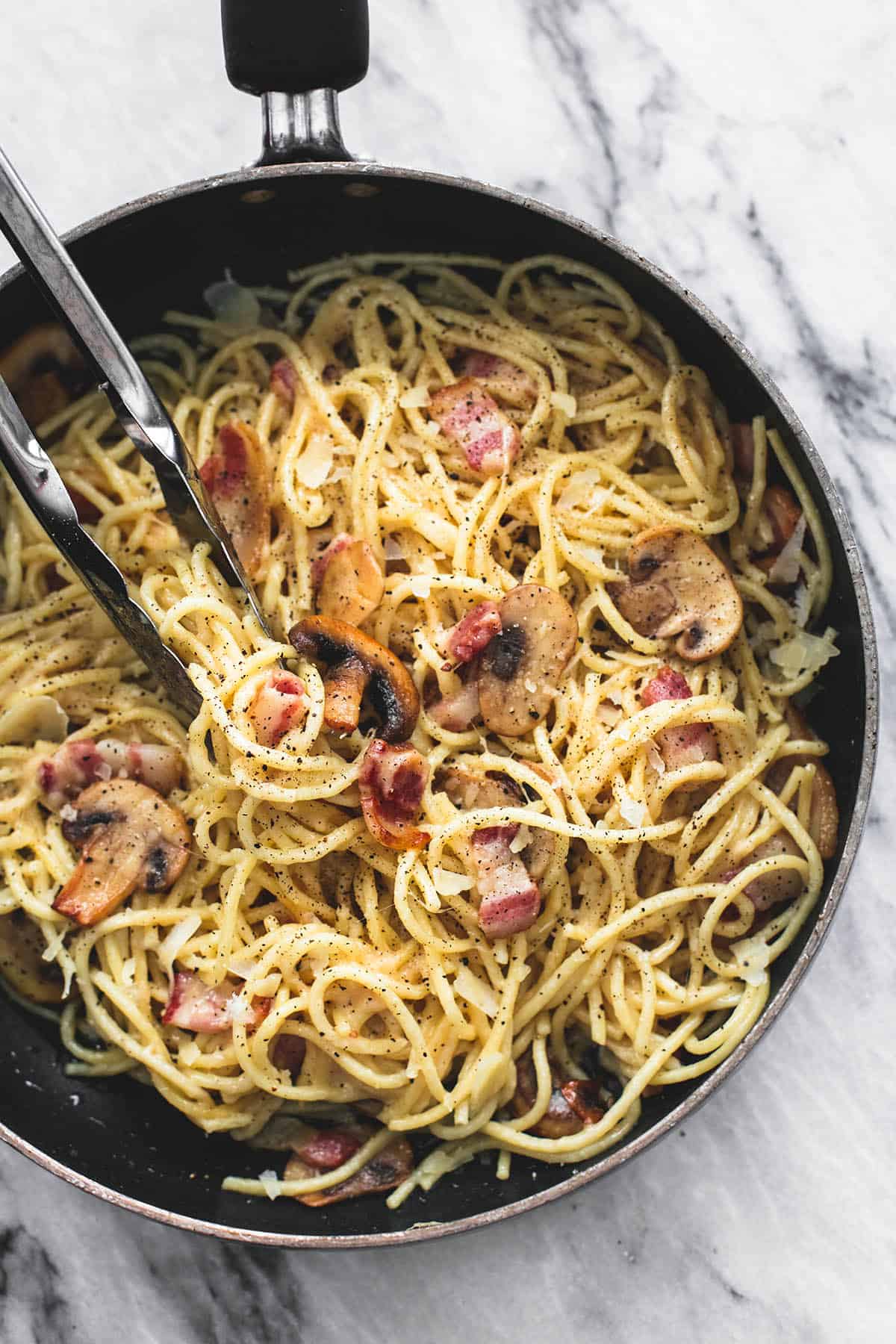
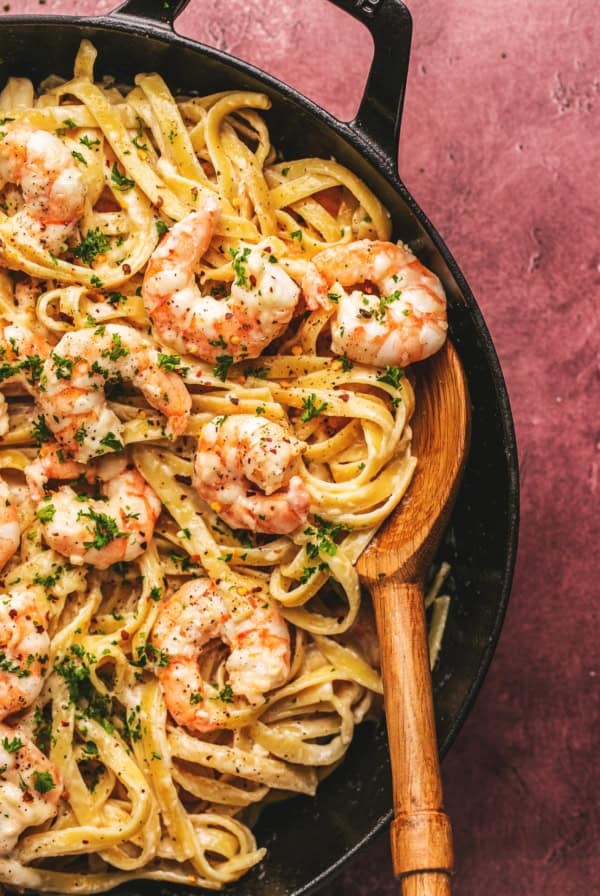
Craving more simple pasta night wins? Try my Browned Butter Alfredo Sauce, Cajun Shrimp Fettuccine Alfredo, or Creamy Mushroom Pasta with Bacon for more easy dinners that come together with almost no cleanup.
Why This Recipe Works
Just 4 ingredients, no fuss. There’s no cream, no butter, and no flour-based roux. Just spaghetti, cheese, pepper, and salt, which means fewer trips to the store and a shorter grocery list overall.
The pasta water does the heavy lifting. Starchy cooking water is what transforms grated cheese and cracked pepper into a smooth, clingy sauce, so you get a genuinely creamy texture without a drop of dairy beyond the cheese itself.
It’s ready faster than delivery. Between boiling the pasta and building the sauce, this easy cacio e pepe recipe is on the table in about 30 minutes, making it a solid weeknight go-to when you want something that still feels a little special. It’s my personal go-to when I want something cozy and delicious!
It’s endlessly adaptable. Once you’ve got the basic technique down, this pasta with cacio e pepe sauce becomes a blank canvas. You can swap the pasta shape, add a protein, or lean harder into the pepper for a spicier bite. Yum!
Ingredients for Cacio e Pepe Sauce
- Spaghetti — Long, thin strands are traditional here because they pick up the sauce evenly along their length.
- Sea salt — Salting your pasta water generously seasons the noodles from the inside out, which matters even more in a dish this simple since there’s nowhere for bland pasta to hide.
- Pecorino cheese — This sharp, salty sheep’s milk cheese is the traditional base of any real cacio e pepe sauce recipe! Grate it fresh yourself, since pre-shredded cheese is coated in anti-caking additives that keep it from melting smoothly.
- Fresh cracked black pepper — Freshly cracked pepper (not the pre-ground stuff) has way more punch and aroma, and it’s really the second half of this dish’s name for a reason. Don’t skimp here.
How to Make Cacio e Pepe Sauce for Pasta
- Make Pasta: Cook the spaghetti in a large pan of well salted water as per the packets instructions. I usually start checking for doneness around the 12 minute mark.
- Grate the Cheese: Meanwhile, grate the pecorino as fine as you can on the smallest bowl of the box grater. If you have a hand held microplane for grating garlic or zesting citrus, use that as it will yield an even smoother sauce.
- Start the Sauce: In a large, non-reactive bowl, combine the grated cheese and the pepper along with 2-3 tbsp of the water from the cooking pan of pasta to make a smooth, thick paste. Use a dessert spoon to spread the mixture in an even coating up the sides of the bowl.
- Reserve Pasta Water: Drain the pasta, reserving a cup of the cooking water, and leave it to stand for 1 minute before adding it to the bowl.
- Combine Pasta & Sauce: Using a pair of tongs, gradually swirl the spaghetti in the cheese-lined bowl, adding drizzles of cooking water so the cheese starts to coat the pasta in a glossy sauce.
- Serve & Enjoy: Serve immediately in warm bowls.
Variations
- No pecorino? Parmesan works in a pinch and is a bit easier to find, though it emulsifies slightly differently. A blend of half pecorino, half parmesan is a nice middle ground if you want extra depth.
- Pasta shape swap. Spaghetti is easiest for beginners, but tonnarelli, bucatini, or penne all work well once you’ve got a feel for the tossing technique.
- Add protein. Crispy pancetta or guanciale bits stirred in at the end turn this into something closer to a simplified carbonara pasta, while grilled chicken or shrimp make it a heartier main.
Tips for a Smooth, Creamy Sauce
- Grate your cheese as finely as possible. Fine, powdery cheese melts into liquid far more easily than coarser shreds, so use the smallest holes on your box grater or, even better, a handheld microplane for the smoothest possible result.
- Let the pasta water cool slightly before mixing it with the cheese. Cheese proteins seize up and turn clumpy when they hit liquid that’s too hot, so give your reserved pasta water about a minute to cool and always build your cheese paste off direct heat.
- Add liquid slowly and keep tossing constantly. A smooth emulsion forms gradually, so drizzle in pasta water a little at a time while continuously tossing the noodles, rather than dumping it all in at once.
- Use fresh, good-quality cheese. Cheese that’s dried out or past its prime resists melting evenly and is far more likely to leave you with a grainy, broken sauce instead of a silky one, so freshness really does matter here.
FAQs
Cacio e pepe sauce is a traditional Italian pasta sauce made from just three things: grated Pecorino Romano cheese, freshly cracked black pepper, and hot starchy pasta water. The name literally translates to “cheese and pepper”, which is a pretty honest description of a dish that turns two pantry staples into something surprisingly delicious!Cacio e pepe sauce is a traditional Italian pasta sauce made from just three things: grated Pecorino Romano cheese, freshly cracked black pepper, and hot starchy pasta water. The name literally translates to “cheese and pepper”, which is a pretty honest description of a dish that turns two pantry staples into something surprisingly delicious!
Cacio e pepe relies entirely on starchy pasta water, cheese, and pepper for its sauce, with no cream or butter involved, while Alfredo is typically built on butter and heavy cream, giving it a much thicker texture
Spaghetti and the traditional Roman tonnarelli are the best choices, since their long, textured strands hold onto the sauce evenly along their whole length. Bucatini and penne can work well too, but thinner, rougher-surfaced pasta shapes generally make it easier to get an even, glossy coating.
This usually happens when the cheese meets liquid that’s too hot, causing the proteins to seize instead of melting smoothly into an emulsion. Using freshly grated cheese, letting the pasta cool slightly before combining, and adding pasta water gradually all help prevent this.
More Recipes to Try
- Copycat Olive Garden Chicken Alfredo – restaurant-quality pasta without ever leaving your kitchen.
- Creamy Sun Dried Tomato Chicken Pasta – tangy, cheesy, and ready in 30 minutes, basically a weeknight MVP.
- Creamy Chicken Pesto Pasta – basil, parmesan, and juicy chicken in a one-pot dinner that barely dirties a dish.
- One Pot Chicken Parmesan Pasta – all the cozy flavors of chicken parm, minus the breading and extra pans.
When you make this recipe, snap a photo and tag me on social – I love connecting with you and seeing what you’re up to in the kitchen!

Cacio e Pepe Sauce
Ingredients
- 14 oz spaghetti
- sea salt, to taste
- 6 oz pecorino cheese
- 2 tsp fresh cracked black pepper
Instructions
- Cook the spaghetti in a large pan of well salted water as per the package instructions. I usually start checking for doneness around the 12 minute mark. While the noodles are cooking continue on with step 2.
- Meanwhile, grate the pecorino as fine as you can on the smallest bowl of the box grater. If you have a hand held microplane for grating garlic or zesting citrus, use that as it will yield an even smoother sauce.
- In a large, non-reactive bowl, combine the grated cheese and the pepper along with 2-3 tbsp of the water from the cooking pan of pasta to make a smooth, thick paste. Use a dessert spoon to spread the mixture in an even coating up the sides of the bowl.
- Drain the pasta, reserving a cup of the cooking water, and leave it to stand for 1 minute before adding it to the bowl.
- Using a pair of tongs, gradually swirl the spaghetti in the cheese-lined bowl, adding drizzles of cooking water so the cheese starts to coat the pasta in a glossy sauce.
- Serve immediately in warm bowls.
Notes
- Use the freshest cheese you can to make the cacao e pepe sauce; if older cheese is a little dry it won’t entirely emulsify and will result in a slightly lumpy, but still delicious sauce.
- Pecorino is the traditional choice for cacao e pepe and is easier to emulsify, but you can still achieve excellent results using parmesan instead, but don’t use pre-grated cheese as it often contains ingredients designed to make it not stick together in the bag that will get in the way of emulsification.
- Don’t expect to master the smoothest, silkiest sauce the first time, it takes practice! But, if after 3 or 4 goes you’re still not getting it a small splash of heavy cream will help everything come together.
- It is easier to emulsify the sauce with spaghetti, but once you’ve got the hang of it penne also works well.
Nutrition
Nutrition information is automatically calculated, so should only be used as an approximation.
This post is in partnership with Go Bold With Butter.









Delicious! A solid recipe that rose ABOVE me using GLUTEN free pasta,vegan CHEESE, a bed of super greens and canned mushrooms. Can’t imagine where it would go with ‘PROPER’ ingredients! 😉 We loved this and will make again!
Sounds great, not run of the mill ! Will try soon !